Deadly Mould; How Inaction Likely Led to Tragedy
The Scottish housing regulator recently sent out an advisory letter to landlords following the tragic death of a little boy who died of a respiratory condition caused by mould in his home.
I would like to dissect the coroners report and provide some commentary and thoughts on what has happened here the sections below in italic font are pulled from the coroners report. I am not going to focus on the multiple medical failures which occurred in this case, the focus of this blog will be on a maintenance perspective looking at the issues from the housing association and tenants. I am not going to use names as I want to be honest and critical on all sides without 'naming and shaming' as frankly this case could easily have happened to a number of associations which is why the important thing is to learn from this. There is really only so much I can go into here without making this a huge blog but I will try to touch on the main points as I see them.
Overview
The coroners report concluded that the death occurred as a result of a severe respiratory condition caused due to prolonged exposure to mould in the home environment. Action in treatment and prevention was not taken. The respiratory condition led to a respiratory arrest.
Timeline
- The mould had been reported to the housing association in 2017 where advice was given to paint over the mould.
- In June 2020 the deceased's father, instructed solicitors to file a disrepair claim.
- Health visitor sent in a letter raising concerns in July 2020.
- Disrepairs manager completed an inspection in relation to the claim on the 14th of July 2020.
- Health visitor re-sent the letter raising concerns in November 2020.
- Technical inspector visits the property in late November 2020.
- The little boy passes away on the 21st December 2020
2017
The father of the deceased told the court that in 2017 he had noticed mould developing in the property and had advised the association of the same. He explained he was told to paint over the mould which he done on more than one occasion. the coroner finds it likely that the father would not have fully understood to treat the mould with anti mould treatment / paint.
This brings us to our first topic of discussion, damp advice. Damp advice tends to be fairly low quality and generic. This is because not all staff have the relevant training, maybe the inspectors do but do call handling staff? Mould and condensation is not very well understood even by those who do have a technical background. Anyone who has worked in housing for a decent amount of time will have heard the generic advice of "clean down the mould and open your windows" without any probing questions of the underlying causes of damp. Some advice going about just now is actually counter intuitive and has the potential to exacerbate mould, I have seen advice relating to the energy crisis of turning down heating and only heating rooms that you use, this is bad advice. So looking at the advice you give tenants is critical, spending some time on the literature you provide tenants can pay dividends by allowing tenants to take the initiative by following good quality advice. Following the advice given in this example, was it explained to the tenant that if what they were doing did not work they should call back in? Possibly not.
I would advocate that staff carrying out inspections are well trained and have the suitable equipment to carry out a thorough inspection from a simple visual inspection through to a more extensive survey using specialist equipment. Following a damp inspection, repairs should be raised (if required) and tailored advice should be given and this interaction should be recorded. Recording the interaction is important so that at a later date you can look back and see if there has been a history of damp and what steps have been taken. If you have a way of separating the recording of damp inspections from repairs inspections this may also prove valuable as you can more easily analyse this data such as; quantity of damp inspections, heat maps of issues, time taken for resolution etc.
Advice needs to be tailored to the recipient as well and clearly in this case there were communication issues at hand so a better job of communicating the advice needed to take place. Now a days its quite easy to translate text into different languages or make use of interpreters. Did the tenant provide communication preferences? How could those preferences be met? Sensitivity needs to be paid to the fact that people who move to the UK from warmer countries will not have the same understanding of why certain living activities may give rise to condensation, you also find this with younger people when they move into their first home.
June 2020
In June 2020 solicitors were instructed to make a claim. In all likelihood it appears this claim was initiated via a claims company. Due to policy the impact of the commencement of a claim meant that any disrepairs found would not be undertaken until there had been an agreement from the claimant’s solicitors.
It is the tenants responsibility to raise repairs and take reasonable care of the house. It seems to me that as far as the association were concerned, following the advice given in 2017 the issue was resolved. The coroners report states that there is no evidence that between 2017 and 2020 that there was any indication of recurring mould. Rather than engage with the housing association during this period, the parents decided to engage in litigation. I don't think its unfair to be critical of this approach. Maybe the parents thought if they raised it again they would just be told to paint over it again and maybe they had already done this a number of times already and felt exasperated with the feeling of no where else to turn. If this was the case, good initial advice could have solved this.
July 2020
Due to an ongoing disrepair claim no remedial action was taken. Remedial works to treat and remove the existing mould should have been undertaken. The lack of action meant a continued exposure to harmful mould between July 2020 and December 2020. The harmful effects of mould were not fully appreciated or understood.
Once the association was served with the disrepair claim in June 2020 and following a health visitor letter, a disrepair manager carried out an inspection in mid July. It was the associations policy (as it is with many other associations) that repairs relating to active litigation will not be actioned until an agreement has been reached from the claimants solicitor. I think this is a poor approach, I don't think that taking action equates to accepting liability. When repairs or even property enhancements are recommended by the inspector, the repairs should be done immediately and the improvements should be considered on a case by case basis, based on the circumstances and the budget available. For example the extract fan may be in perfect working order but might not be adequate based on the living conditions, this isn't a repair but it is an improvement that the association should consider. Other enhancements may include internal wall insulation, upgrading or adding radiators or adding wet walling to bathrooms. Repairs and property enhancements should be distinguished in any written report as well as outlining the expectations and actions that the tenant must undertake. Refuting a disrepair claim whilst taking immediate action once you have been made aware of an issue are not contradictory actions and shouldn't weaken your position.
At the time of the inspection there was no indication of any damp, the walls were dry and there was no obvious evidence of any leaks. A plumber was asked to attend in order to confirm the same.
This statement is contradictory and it is why the term damp frustrates me. What this statement is trying to say is that there was no evidence of penetrating damp or a leak because there is certainly evidence of condensation damp with the extensive mould present. A condensation survey should have been carried out using environmental sensors or at the very least a hygrometer to gather some evidence and explore the causes of the mould present.
The use of environmental sensors can establish whether the tenant is upholding their end of the bargain and establish facts during the investigation stage. I have discussed the use of environmental sensors in previous blogs, I am a big proponent of them. Short term USB loggers for condensation surveys or long term fixed sensors for more longer term monitoring, both have their place.
Too much emphasis was placed on the cause of the mould being due to parent’s lifestyle and did not identify the lack of an adequate ventilation system as a factor in the presence of the mould.
A comprehensive survey at this point would have discovered that the ventilation was defective and inadequate. Any damp survey should be a 'holistic survey' taking into account all factors. It seems to me that the initial survey undertaken was not holistic and possibly just looked at the treatment of the mould present rather than analysing the underlying causes. I would encourage associations to consider a staged approach to damp surveys from a simple visual inspection right through to an invasive survey using specialist equipment. Having a written procedure and workflow on this process may clarify the process for the tenant so they know that following the actions and recommendations completed after a simple visual inspection if that has not worked or made a difference the next step could be a more extensive survey. In this case it would have been prudent to jump directly to the extensive survey with a written report.
November 2020
The property had inadequate ventilation and was not equipped for normal day to day living activities, which led to excess damp and condensation.
Following the resending of the health visitor letter expressing concerns regarding the mould a technical inspector attended the property in late November. Again, there was communication issues during this visit which begs the question as to whether communication with non-english speakers was given much thought, why wasn't this flagged prior to the visit so the inspector could go better prepared. Again, this seems to have been just a simple visual inspection without the use of any specialist equipment. The inspector found no evidence of leaks but did confirm the presence of mould and found issues with the ventilation, it seems the technical inspector had the gumption to explore further the potential causes of condensation where the disrepair manager failed to do so. The technical inspector recommended a survey to look into the ventilation issues and treatment of mould.
There were numerous different IT systems in use within and not everyone had access to the same information, hence some employees would not have been aware of the concerns raised the health visitor, others may not have been aware a child resided in the property.
I can only presume the inspector did not have access to the findings of the July inspection, if he had he would have known already the conclusion of there being no evidence of leaks and the presence of mould in the kitchen, bathroom and bedroom and could have made his visit more fruitful rather than confirming what was effectively already known. Don't get me wrong I do think it can be good practice to get a second opinion for damp inspections but my concern here is that the previous interactions may not have been accessible to the inspector causing further delay in finding a resolution.
I don't have much to criticise the inspector in this case at all, he went out and carried out a more thorough inspection than the initial survey, found an issue with ventilation and had follow up recommendations of the back of his findings. The sad thing is by this point it was really too late.
Conclusion
There seems to have been a few failures in this case from a maintenance perspective starting from the provision of sub standard advice through to an inadequate damp survey bolstered by poor policies and procedures. The improvements in that may have made a difference revolve around the following:
- Training for staff and provision of adequate equipment
- Development of quality advice and literature provided to tenants
- Effective communication with non-english tenants and establishing and recording communication preferences
- Taking action rather than waiting for the resolution of a claim
- The recording of interactions and repairs history and ensuring this is accessible to inspectors
- Having a formal damp procedure
This case has been a wake up call for housing associations to put more of a focus on the subject of damp. Its a learning opportunity of all those that work in housing, its only sad that it has taken something like this to shine the spot light on this topic.
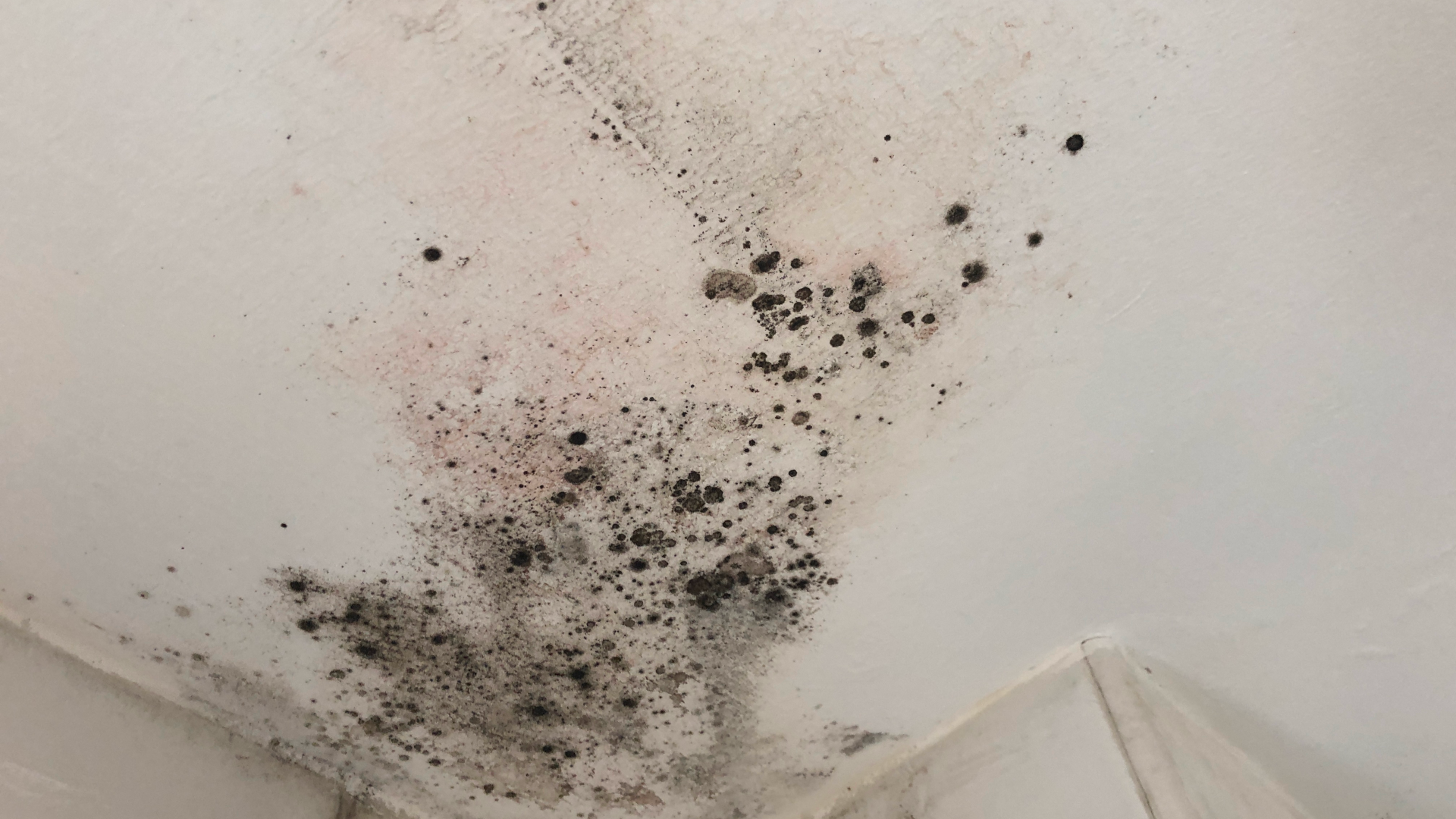
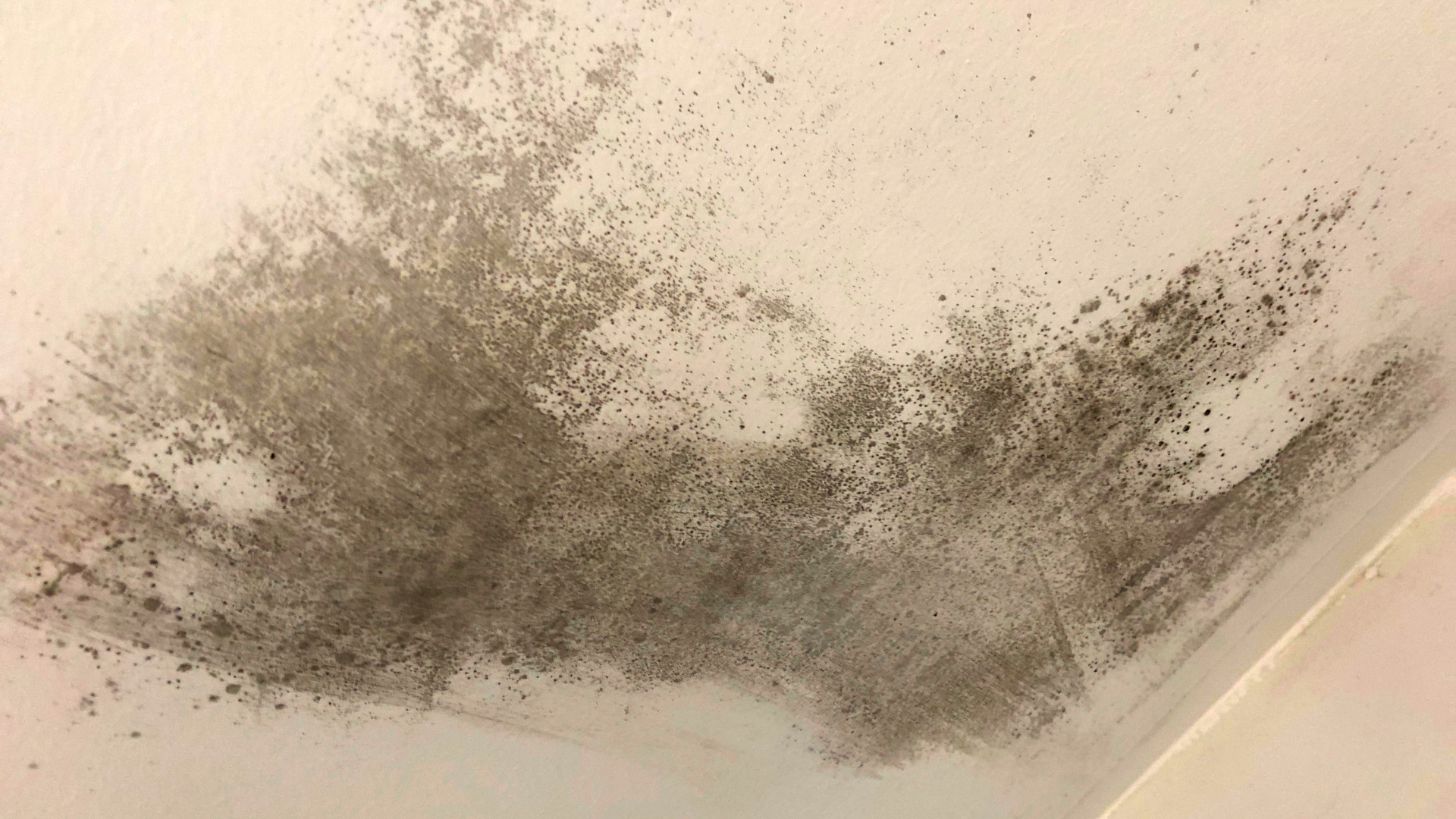
Note: photos used in this blog are ones I have taken, not ones from this case.